The Forgotten Dishes of the Silk Road
- Unearthed Team
- Apr 17
- 3 min read
In a world where Michelin-stars reign supreme, we often overlook the quiet resilience of simple dishes that have outlived even the longest of empires

Before modern borders carved the world into nations and cuisines, the Silk Road stretched like an artery across Asia, the Middle East, and parts of Europe. It acted as a living, breathing highway of trade, language, faith, and food. While merchants dealt in silk, spices, and porcelain, local cooks were stirring up technique, flavour, and tradition all in the name of fueling up for the long journeys ahead.
A thousand years later, some of these dishes still exist. Others, like many other generational dishes, await rediscovery. Here are a couple of meals which have stood the test of time (sort of) and are pact full of history and tradition.

Uyghur Polo: A Feast Born of the Steppe
In the far-flung kitchens of Xinjiang, China’s westernmost region, Uyghur families still gather around steaming platters of polo. It is a rice dish which is argued to be as old as the Silk Road itself.
Polo, sometimes known beyond Xinjiang as pilaf, is a rustic dish of hand-chopped carrots, lamb, and rice which is cooked in seasoned oil inside a cast-iron kazan. The technique might seem simple, but every element speaks of a nomadic past: hardy ingredients, slow cooking, and a communal serving style.
The historical element depicts stories of camel caravans braving deserts and of oasis cities like Kashgar offering respite and warmth. Today, polo is still the centrepiece of Uyghur celebrations which reflects their nomadic heritage and culinary traditions.

Persian Dizi: A Meal with Ritual
Further west, deep in the heart of Iran, dizi is considered to be more than a stew. It’s one of those simple dishes which comes with a ritual.
This hearty dish, also called abgoosht, layers lamb, chickpeas, white beans, potatoes, and dried limes into a clay pot. It is left to slow-cook until the flavours meld into a rich ensemble. Its significance however, lies not only in the ingredients but in how it’s eaten. There is a process in which the broth is sipped first, while the solid components are mashed into a paste called goosht koobideh, and finally scooped up with fresh, torn pieces of naan-e-sangak flatbread.
Dizi, which dates back to the Qajar dynasty and beyond, was the kind of meal that fortified traders and wanderers after long days on the road. It’s considered to be the blueprint for culinary minimalism: humble, nourishing, and deeply human.
Coming to a Culinary Crossroad
The Silk Road’s culinary footprint doesn’t end with polo and dizi. Central Asian laghman (hand-pulled noodles with a fragrant meat sauce) and the saffron-scented shirin paloo of Persian courts are both living fossils of cross-cultural invention. Even the dumpling, a classic go-to food when your craving Chinese food, owes its diaspora to these trade routes.
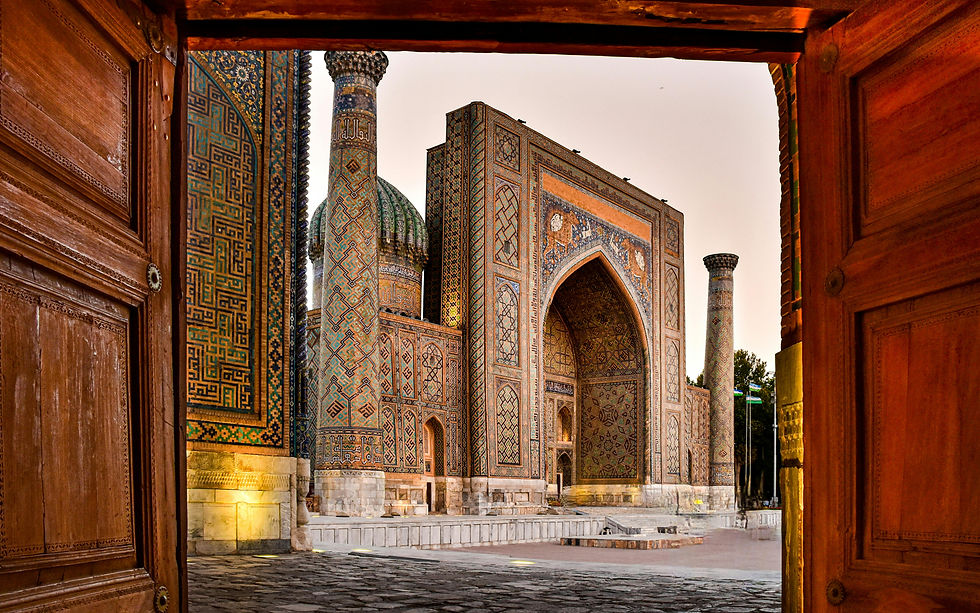
But in modern cities where fusion food reigns supreme, these ancestral dishes have become muted, if not forgotten. Often cooked only in homes or tiny neighbourhood cafés, they wait, unglamorous but persistent, for travellers willing to wander off the guidebook.
Why Ancient Food Matters
The survival of Silk Road cuisine is more than a matter of taste. In a slightly cheesy way, it’s a testimony to human resilience and exchange. Long before social media turned chefs into influencers, food was an unspoken language connecting people across deserts, mountains, and borders. And perhaps it still can be.
In a time when global tastes trend toward the ephemeral, there’s something quietly radical about seeking out these enduring plates. Sitting at the tables of Uyghur, Persian, Kazakh, or Uzbek families and tasting not just their food but their history seems like an exchange dramatic enough to feel welcomed into their culture. Like a living story waiting for those curious enough to ask for a second helping.


Comments